





Introduction
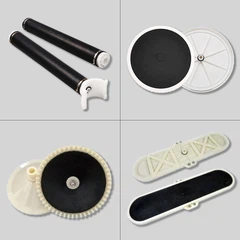
Diffuser membranes are key components in wastewater aeration systems, where they work with diffuser assemblies to introduce air into water and support the biological treatment process. For buyers sourcing diffuser membranes in bulk, product appearance or a basic material specification alone may not provide enough information to judge whether a membrane is suitable for the intended application. Different wastewater conditions, operating requirements, and diffuser configurations can place different demands on membrane performance. Requesting appropriate quality tests and verification before placing a bulk order can therefore help buyers establish clearer product requirements and reduce procurement risks.

Why Should Buyers Test Diffuser Membranes Before Bulk Orders?
Testing diffuser membranes before a bulk order gives buyers an opportunity to verify whether the proposed product meets the agreed specifications and is appropriate for the intended operating environment. It can help identify differences between suppliers, confirm that the sample represents the expected product, and establish measurable quality requirements before larger quantities are manufactured. For projects with specific wastewater conditions or aeration requirements, pre-order testing can also provide a more reliable basis for evaluating product suitability than relying only on supplier descriptions or standard specifications.
What Quality Tests Should Buyers Request for Diffuser Membranes?
The exact tests required depend on the membrane material, diffuser design, and application. However, buyers should generally request test information covering the following areas.
Material and Physical Property Testing
Material verification is an important starting point because EPDM, PTFE, silicone, TPU, and other membrane materials have different physical and chemical characteristics. Buyers can request confirmation of the membrane material, thickness, dimensions, and relevant physical properties specified for the product. Testing should also determine whether the supplied sample consistently matches the agreed specifications, particularly when these parameters affect membrane installation or diffuser assembly.
Pore Structure and Air Distribution Testing
The pore structure directly influences how air passes through the membrane and forms bubbles during aeration. Buyers should request information on pore size, pore structure distribution, air permeability, and bubble formation characteristics where applicable. For diffuser membranes used across a larger aeration area, testing or application data on air distribution consistency can also help buyers assess whether the membrane can provide the required aeration behavior within the intended diffuser configuration.
Chemical and Environmental Resistance Testing
Wastewater treatment environments can expose diffuser membranes to chemicals, oxidation, temperature changes, UV exposure, and other environmental factors. Buyers should therefore consider resistance testing according to the actual operating conditions of the project. Depending on the application, this may include chemical resistance, oxidation resistance, UV resistance, and other environmental durability tests to determine whether the selected membrane material is appropriate for long-term exposure.
Fouling and Clogging Performance Testing
Membrane pores can be affected by sludge, suspended solids, biological growth, and other contaminants during operation. Buyers should therefore examine the membrane's resistance to fouling and clogging, particularly for wastewater with a high solids or biological load. Where relevant, test data can include changes in air permeability during operation and the membrane's ability to recover performance after cleaning or backwashing.
How Should Buyers Verify Diffuser Membrane Quality Before a Bulk Order?
Once the required tests have been identified, buyers should establish a practical verification process before approving a bulk purchase.
Request Test Reports for the Actual Product
Buyers should request test reports that correspond to the actual membrane material, thickness, specification, and product configuration being purchased. Generic material brochures or reports for a different product should not be treated as direct evidence of the performance of the proposed membrane. The test conditions and measured parameters should also be clear enough for buyers to understand what was evaluated.
Compare Samples with Approved Specifications
A physical sample should be compared with the specifications agreed during the purchasing process. Buyers can verify dimensions, thickness, material, appearance, pore characteristics, and other relevant requirements against the approved product information. Establishing an approved sample and specification reference before bulk production gives both parties a clearer basis for subsequent production and quality inspection.
Conduct Application-Specific Testing When Necessary
Standard product test data may not fully represent every wastewater application. If a project involves unusual water quality, chemical exposure, operating temperatures, aeration requirements, or diffuser configurations, buyers may consider application-specific testing before placing a large order. This can provide additional evidence that the membrane is suitable for the actual working conditions rather than only meeting general product specifications.
Confirm Bulk Production Consistency
Sample approval should be followed by clear quality requirements for bulk production. Buyers can define the critical parameters that must remain consistent, such as material, thickness, dimensions, pore characteristics, and other agreed performance indicators. The supplier should also be able to explain how these parameters are controlled during production and final inspection so that the approved sample can serve as a meaningful reference for bulk deliveries.
What Are the Benefits of Choosing the Right Diffuser Membrane for Your Project?
Selecting a diffuser membrane that matches the project's requirements can provide benefits beyond simply meeting a product specification.
A membrane selected according to wastewater composition, temperature, chemical exposure, and operating conditions is less likely to experience premature material degradation or performance problems caused by an unsuitable material.
An appropriate membrane pore structure and air-permeation characteristics can help the diffuser system maintain more consistent air release during operation, supporting the aeration requirements of the treatment process.
A membrane with suitable fouling and clogging characteristics can help limit contamination of the pore structure during operation. This may make routine cleaning and maintenance more manageable, particularly in wastewater environments with higher solids or biological loading.
When membrane material and construction are appropriate for the working environment, the diffuser can maintain its intended physical and aeration characteristics for longer periods. This supports more predictable operation of the aeration system and reduces the risk associated with unsuitable membrane materials.
Clear product specifications, test requirements, and sample approval criteria give buyers a defined reference for bulk production and incoming inspection. This can make supplier evaluation, order acceptance, and repeat purchasing more consistent and reduce uncertainty during procurement.
Conclusion
Diffuser membrane quality should be evaluated through more than material names or individual specifications. Buyers should consider material and physical properties, pore structure, air distribution, environmental resistance, and fouling performance, while also verifying actual samples, test reports, application suitability, and bulk production consistency before placing a large order. AquaSust provides wastewater aeration diffuser membranes in different material and configuration options for various aeration applications. Contact us to discuss your diffuser membrane requirements and request the appropriate product specifications and quality information before placing a bulk order.